
Article: What Does 925 Mean on Silver Jewellery? The Complete Guide

What Does 925 Mean on Silver Jewellery? The Complete Guide
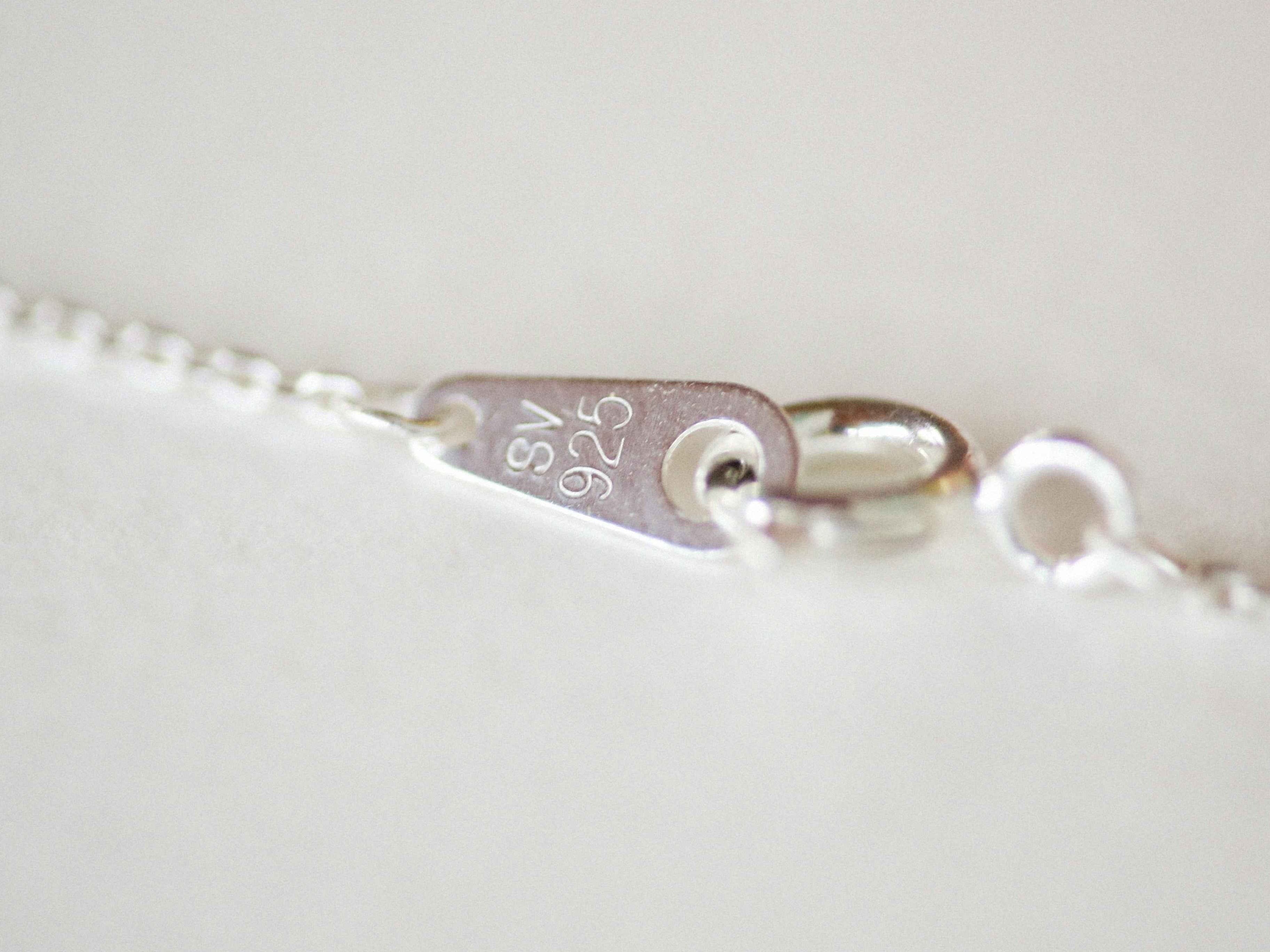
925 on silver jewellery is a purity hallmark meaning the piece contains 92.5% pure silver. The remaining 7.5% is typically copper, added for strength. This composition — known worldwide as sterling silver — is the internationally recognised standard for fine silver jewellery. It is genuine precious metal, solid all the way through.
925 There is a small stamp hidden somewhere on your favourite silver ring — tucked into the clasp of a necklace, or quietly pressed into the inside of a bracelet. Three digits. And yet they carry the weight of centuries of craft, a globally recognised purity standard, and a promise that what you are wearing is the real thing. If you have ever turned a piece of silver jewellery over and wondered exactly what those numbers mean, this is the complete answer.
What Does 925 Mean on Silver?
The number 925 stamped on a piece of silver jewellery is a purity hallmark. It tells you, precisely, that the metal in the piece contains 92.5% pure silver. The remaining 7.5% is made up of other metals — almost always copper, occasionally small additions of zinc or germanium in specialist alloys.
This composition has a single, universally recognised name: Sterling Silver. It is the standard for fine silver jewellery recognised by jewellers, customs and excise authorities, gemological bodies, and precious metal markets in every country on earth. When you see the 925 stamp, you are reading a quality declaration with the same standing in the jewellery trade as a caratage mark on gold.

Silver Purity Marks at a Glance
The 925 mark is one of several purity standards used in jewellery and silverware. Here is how they compare:
Sterling silver sits in the optimal position — high enough in purity to hold genuine precious metal value, alloyed just enough to make it hard-wearing and practical for jewellery that will be worn daily for decades.
Why Not Use 100% Pure Silver?
This is the question behind the 7.5%. Pure silver — marked 999 or "fine silver" on bullion and investment-grade items — is actually too soft to function as wearable jewellery. It sits at around 2.5 on the Mohs hardness scale. Under everyday pressure it bends, scratches, loses its shape, and cannot hold the tension needed to secure a gemstone in a prong or bezel setting reliably.
By introducing copper at 7.5%, silversmiths create a metal that is:
- Strong enough to hold intricate designs and fine details without deforming
- Hard enough to set and retain gemstones securely in prong, bezel, and channel settings
- Durable enough to withstand daily wear — including rings, which take far more mechanical stress than earrings or pendants
- Still 92.5% silver, so it retains the look, the weight, and the precious metal value of silver
The copper addition does introduce one known trade-off: the potential for tarnish. But tarnish in 925 sterling silver is a surface phenomenon — a thin layer of silver sulphide that sits on top of the metal and lifts away completely with basic care. It is not corrosion, not damage, and not a sign of low quality.
Pure silver is too soft to wear. Sterling silver is the answer the trade settled on centuries ago — precious enough to matter, strong enough to last a lifetime.
— AG925 StudioWhy Is It Called Sterling Silver?
The word sterling predates modern hallmarking by several hundred years. Historians trace it to the Old Norman French word esterlin, meaning "little star" — a reference to the small star markings pressed into Norman silver pennies that circulated across early medieval Britain.
Over the following centuries, the 92.5% silver composition became codified across European trade guilds and crown assay offices as the definitive standard for quality silver. By the time formal hallmarking systems were established — England's Assay Office dates to 1300 — sterling had already become the benchmark.
The standard crossed the Atlantic in the 19th century. When Tiffany & Co. adopted it for their American silverware in the 1850s, they helped cement it as a global language for precious metal quality. Today, from a market stall in Jaipur to a flagship jewellery store in New York, 925 speaks the same thing: this is real silver, made to last.
This is why AG925 is named the way it is. The Ag is the periodic table symbol for silver. The 925 is the standard that defines it.
Is 925 Silver Real Jewellery?
The answer is an unqualified yes. 925 sterling silver is genuine precious metal. It is not silver-plated, silver-toned, silver-coloured, or any other euphemism for a base metal with a coating. It is solid silver all the way through, and the 925 stamp is the internationally recognised proof of that.
Silver-plated jewellery has a microscopically thin layer of silver electroplated over a brass or copper base. That layer wears through with use, revealing the base metal beneath. 925 sterling silver is the same precious metal throughout — there is nothing beneath it. You can clean it, polish it, and resize it for decades without ever hitting a different material.
| Feature | 925 Sterling Silver | Silver Plated | Fine Silver 999 |
|---|---|---|---|
| Genuine precious metal | ✦ Solid throughout | Surface layer only | ✦ Solid throughout |
| Internationally hallmarked | ✦ Yes — 925 stamp | No recognised hallmark | ✦ Yes — 999 stamp |
| Durable for daily wear | ✦ Excellent | Peels and fades with use | Too soft — bends easily |
| Holds gemstones securely | ✦ Yes | Base metal may not hold settings | Settings can loosen |
| Holds intrinsic value | ✦ Yes | No | ✦ Yes — highest purity |
| Can be resized and repaired | ✦ Yes | Plating removed by repair work | ✦ Yes |
| Safe for most skin types | ✦ Usually | Base metal often causes reactions | ✦ Yes — no copper alloy |
How to Tell If Silver Is Genuine 925
Knowing how to verify authentic sterling silver is a practical skill — whether you are shopping online, browsing a market, or assessing an inherited piece. Here are the most reliable methods, starting with the most important.
Step 1 — Find the Hallmark
Genuine 925 sterling silver is always stamped. On larger pieces — bangles, cuffs, pendants — it is usually visible to the naked eye. On smaller pieces, rings, or fine chains, you may need a magnifying glass or a jeweller's loupe. Look for any of these marks:

Red flags to watch for: Stamps that read "Silver Tone", "Silver Colour", or "Silver Plated" are not hallmarks — they are descriptions of appearance. A stamp that looks scratched in by hand rather than machine-pressed is a warning sign. No stamp at all on a piece being sold as silver is the clearest red flag of all.
Four Additional Tests
Silver is non-magnetic. Hold a strong magnet near the piece. Any attraction indicates iron or steel content — neither belongs in genuine sterling silver.
Sterling silver has real material value. A ring priced at a few rupees or cents cannot be solid 925 silver — the metal content alone would cost more. Genuine silver is priced accordingly.
Real sterling silver tarnishes evenly to a grey-brown and cleans back to bright silver. Silver-plated jewellery tarnishes unevenly, eventually revealing the different-coloured base metal beneath — brass often shows yellow; copper shows reddish.
Professional verification uses nitric acid. A small scratch on genuine sterling silver turns cream or light grey in the presence of the acid. Base metals react with more dramatic colour changes — green, brown, or dark grey depending on the alloy.

Every AG925 piece is hallmarked in our studio before it ships — no tests required. You will find the stamp, and you have our word on what it means.
Browse the Collection925 Sterling Silver vs Stainless Steel
Stainless steel jewellery has grown in popularity as an affordable, tarnish-resistant option. It is a reasonable choice for certain applications. But it is important to be clear about what it is and is not.
Stainless steel is an industrial alloy — primarily iron with chromium added for rust resistance. It has no standing as a precious metal, carries no intrinsic value linked to the commodity market, and cannot be worked with the same precision as sterling silver. Very fine engraving, delicate prong settings, and intricate handwork are all more naturally suited to the malleability of sterling silver than to the hardness of steel.
| Feature | 925 Sterling Silver | Stainless Steel |
|---|---|---|
| Classified as a precious metal | ✦ Yes | No |
| Intrinsic commodity value | ✦ Yes | No |
| Can be resized and repaired by a jeweller | ✦ Yes | Difficult — requires specialist tools |
| Suitable for fine gemstone settings | ✦ Excellent | Limited — hardness makes fine work difficult |
| Appropriate for heirloom pieces | ✦ Yes | No |
| Tarnishes over time | Yes — easily polished away | Highly resistant to tarnish |
| Hypoallergenic | ✦ Usually | ✦ Usually |
The choice depends on what you are looking for. For fashion accessories worn and replaced, stainless steel is fine. For jewellery that means something — pieces set with stones, made with craft, and intended to outlast the decade — sterling silver is the appropriate material.
Explore Sterling Silver Necklaces925 Sterling Silver with Gemstones
One of the most compelling qualities of 925 sterling silver is how naturally it works as a setting material for gemstones. Its cool, neutral brightness allows colour to speak — where gold sometimes competes with a stone, silver steps back and lets the gem be the focus. It is the reason so many of the most striking contemporary jewellery designs use sterling silver as their foundation.
At AG925, every stone is chosen for natural character — colour zoning, inclusions, and the individual qualities that make each piece unrepeatable. These are the stones we work with most:
Caring for Your 925 Sterling Silver
Sterling silver rewards a little consistent attention. The goal is never a deep clean — it is the small habits that mean a deep clean is rarely needed. Think of it the way you would think of fine leather: a little care on a regular basis keeps it looking its best indefinitely.
- Put It on LastApply perfume, moisturiser, sunscreen, and hairspray first — then put on your jewellery. These products contain compounds that react with silver on contact and are among the primary causes of accelerated tarnishing.
- Weekly Buff with a Polishing ClothA dedicated silver polishing cloth — cotton impregnated with a mild compound — removes the light dullness of weekly wear in under sixty seconds. Keep one wherever you store your jewellery.
- Monthly Warm Soap WashA bowl of warm water with one drop of mild dish soap, a five-minute soak, and a soft brush. This reaches inside chain links, engraving, and gemstone settings that a cloth cannot access. Rinse thoroughly and dry completely.
- Store Sealed and SeparateKeep each piece in its own anti-tarnish pouch. Silver scratches silver — individual storage prevents both surface marks and tangling. A single anti-tarnish strip in your jewellery box extends tarnish-free storage from weeks to months.
Everything You Have Wanted to Know
925 is a purity hallmark stamped on sterling silver jewellery indicating the piece contains 92.5% pure silver. The remaining 7.5% is typically copper, added to improve hardness and durability. It is the internationally recognised standard for fine silver jewellery, used by jewellers and precious metal markets worldwide.
Yes — 925 sterling silver is the recognised standard for quality silver jewellery, used by luxury houses and independent craftspeople alike. It is strong, beautiful, and built to last decades with basic care. The hallmark is internationally recognised in the same way a caratage mark is recognised on gold.
Rarely. The copper content in sterling silver can, in some cases, react with highly acidic skin, leaving a temporary green tint. This is completely harmless, washes off easily, and is far less common with high-quality 925 silver than with silver-plated or low-grade alloys where the base metal makes direct contact with skin. If you have very acidic skin and find this happens, fine silver (999) pieces are an alternative worth considering.
We recommend removing it. The silver itself will survive an occasional splash — solid sterling is not damaged by water. But prolonged or regular exposure to chlorinated water, hot water, and steam all accelerate tarnishing significantly. Making it a habit to remove silver before bathing, swimming, or the gym takes seconds and noticeably extends the time between necessary cleans.
They serve different purposes, but it is worth understanding the distinction clearly. Gold-plated jewellery is a base metal — usually brass or copper — coated in a microscopically thin layer of gold. That layer wears away with time and use, exposing the base metal beneath. Solid 925 sterling silver has no coating. It is the same precious metal throughout, and its appearance does not degrade the same way plating does. For lasting value and integrity of material, sterling silver is the more durable choice.
Yes, in the sense that sterling silver has intrinsic precious metal value tied to the silver commodity market. It is not an investment instrument in the way gold bullion is, but it retains far more value than fashion jewellery and can be assessed, bought, and sold through jewellers. Pieces with hallmarks are verifiable, which makes them more liquid than unmarked items when it comes to resale.
The key warning signs: no hallmark at all on a piece being sold as silver. Stamps that read "Silver Tone", "Silver Colour", or "Silver Plated" rather than 925 or Sterling. Stamps that appear scratched in by hand rather than cleanly machine-pressed into the metal. Prices far below what the claimed weight of silver would actually cost. If something feels off, it usually is — the hallmark is there for a reason, and genuine 925 always carries it.
The word "sterling" traces back to the Old Norman French word esterlin, meaning "little star" — a reference to small star markings pressed into Norman silver coins. Over centuries the 92.5% silver composition became the codified European standard for quality silver, eventually adopted globally. When Tiffany & Co. popularised it in America in the 1850s, it became the universal language for quality silver it remains today.
Leave a comment
This site is protected by hCaptcha and the hCaptcha Privacy Policy and Terms of Service apply.